General Knowledge • 5 min read

Fostering Curiosity: How to Encourage General Knowledge & Scientific Inquiry in Young Minds

Science & GK Faculty
STEM Department, SVS Mainpuri
Published On
Last Reviewed
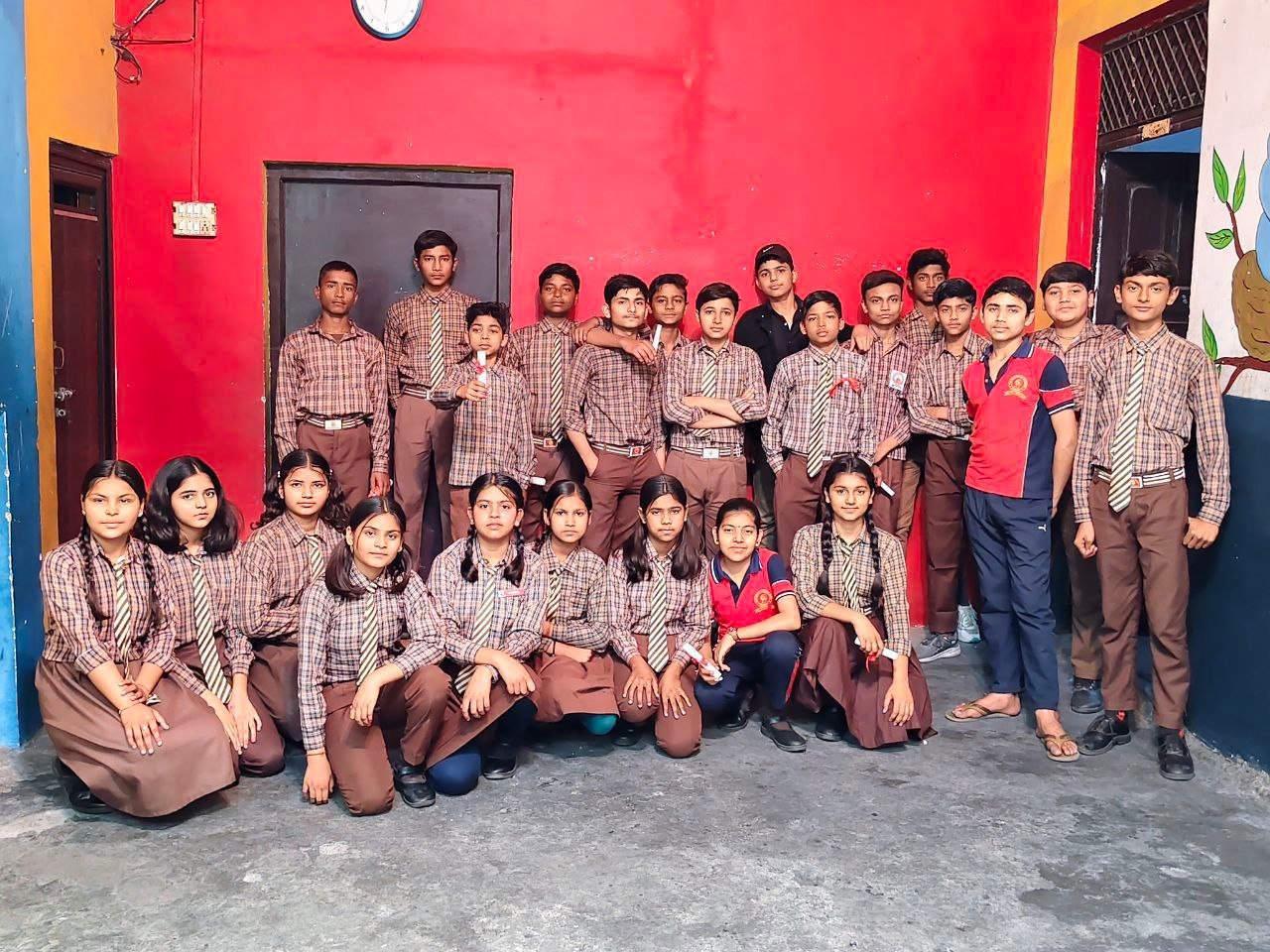
Students demonstrating science models and exploring concepts enthusiastically
Quick Summary & Direct Answer

Nurturing curiosity in young students requires shifting from rote memorization to inquiry-based discovery. Parents and teachers can ignite critical thinking by answering questions with 'What do you think happens?', observing nature and seasonal changes, holding family quiz nights, and encouraging hands-on kitchen science experiments.

Children are born scientists. From their earliest years, they ask 'Why is the sky blue?' and 'How do plants drink water?' Preserving this innate sense of wonder is the primary goal of quality primary and middle school education.

Moving from Rote Memorization to Inquiring Minds

General knowledge is not merely a list of capital cities or historical dates to memorize before a competition. True general awareness is an understanding of how the world operates: from water cycles and agricultural seasons in Uttar Pradesh to space exploration and environmental conservation.

Discover our smart science classrooms and learning resources on the Campus Facilities page.

Simple Ways Parents Can Foster Scientific Thinking

  • Ask Open-Ended Questions: When your child asks a question, don't rush with an immediate answer. Ask: 'What do you think? How could we find out?'
  • Kitchen Science: Cooking together teaches measurements, chemical reactions (yeast rising, sugar dissolving), and thermal energy in a fun, safe environment.
  • Keep a Nature Journal: Encourage children to sketch birds, record daily temperatures, or observe moon phases over a month.
  • Weekly Family Quiz: Make general knowledge fun by dedicating Saturday dinner to a friendly family quiz.

General Awareness in the SVS Curriculum

At Sant Vivekanand Junior High School, weekly general knowledge sessions connect textbook theory with real-world news, Indian geography, environmental stewardship, and inspiring biographies of leaders like Swami Vivekananda and Dr. A.P.J. Abdul Kalam.
Frequently Asked Questions

Every morning assembly features student-presented news bulletins covering regional, national, and scientific news highlights.

Yes. Students in Classes 4 through 8 prepare working models and visual charts for our annual science and mathematics exhibitions.

THE NEXT STEP / ADMISSIONS 2026–27

Join the Sant Vivekanand Learning Community

Admissions are open from Nursery through Class 8. Explore our classrooms, meet our dedicated teachers, and give your child a values-driven foundation.

Online Admission Form (2026–27) → Admission Guidelines Contact School Office